Hands-On ARC Training
This hands-on guide was designed for the Workshop #13 Hands-On ARC Training held during the Boosting Biodata Bootcamp 2026 on September 16th, 2026.
Interactive pad
Section titled “Interactive pad”In order to interact with you, collect questions, share links, etc. we use this interactive pad.

Annotated Research Contexts (ARCs)
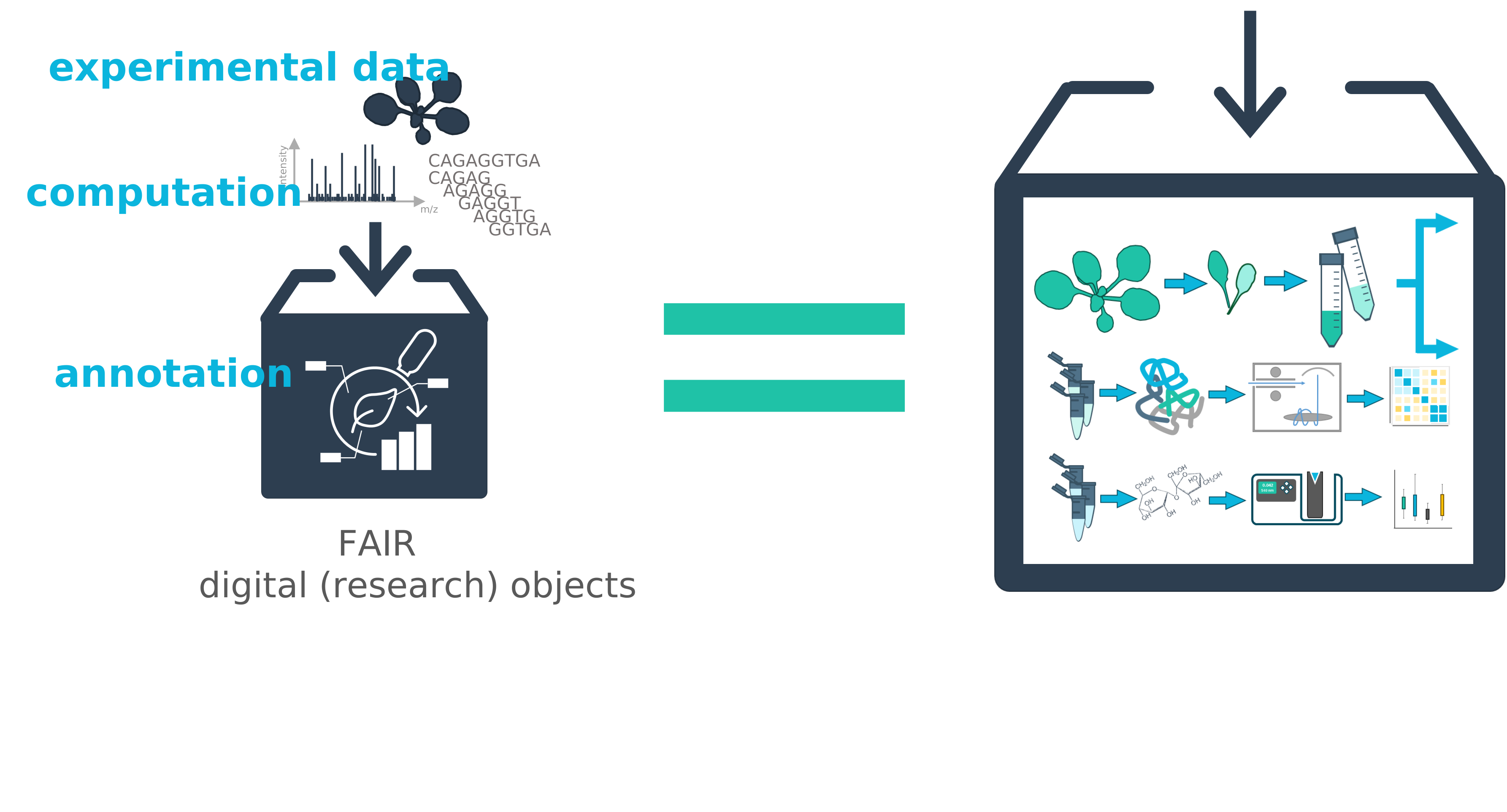
Section titled “Annotated Research Contexts (ARCs)”ARCs are structured data containers, so-called FAIR Digital Objects. ARCs help you organize your research data in a standardized way. They are based on existing standards, unifying machine and human readability!
About this guide
Section titled “About this guide”Starting out with ARCs can be a bit overwhelming. This guide walks you through the process of creating your first ARC, adding data to it, and sharing it with collaborators. Together we will follow a fictional researcher Viola on her journey to create her first ARC.

Hi, I recently heard about the Annotated Research Context (ARC) and that it could help me towards using AI on my data. However, I only remember the basic ARC structure and something about metadata?! 🥲
Viola’s PhD Project
Section titled “Viola’s PhD Project”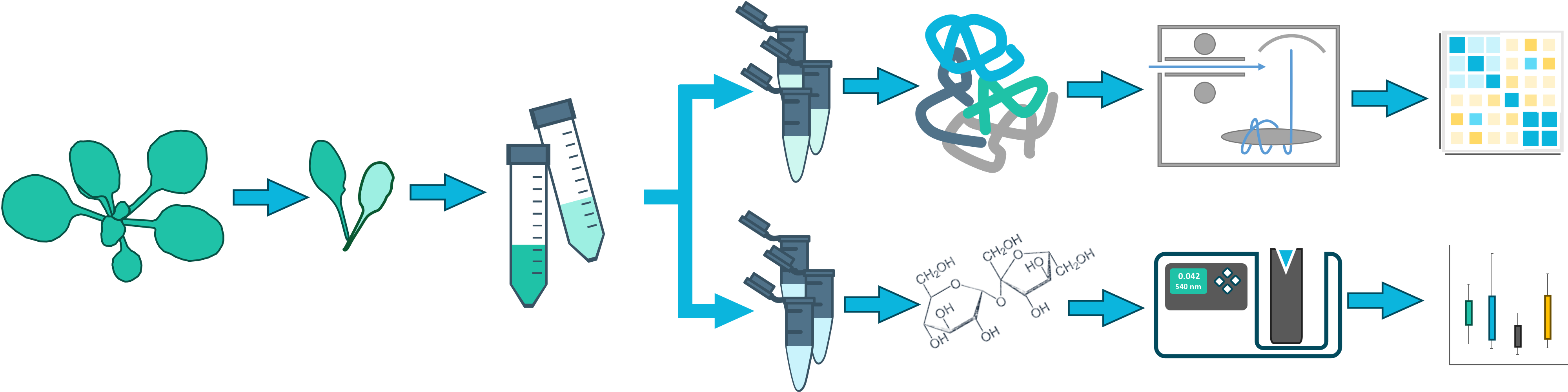
For my PhD I investigate the effect of cold stress on sugar metabolism in A. thaliana. I grew the plants under ambient (25 °C) and cold stress (6 °C) conditions, harvested leaves from a two-day time series experiment, extracted proteins and soluble sugars. I submitted the protein samples to a nearby core facility for proteomics. After a few weeks of iterative consultation with the facility head as well as technicians and computational biologists, I received back a wealth of raw and processed data. The extracted sugars I measured myself via a plate reader assay. From the data I produced figures using a mix of code and statistical software. Now I want to wrap everything up to publish the results in the Journal of Wonderful Plant Sciences.
Demo data
Section titled “Demo data”To follow along this guide:
- Please download this unstructured demo dataset
- Unzip the folder
Violas-PhD-Project.zipand store it somewhere ready for the next steps